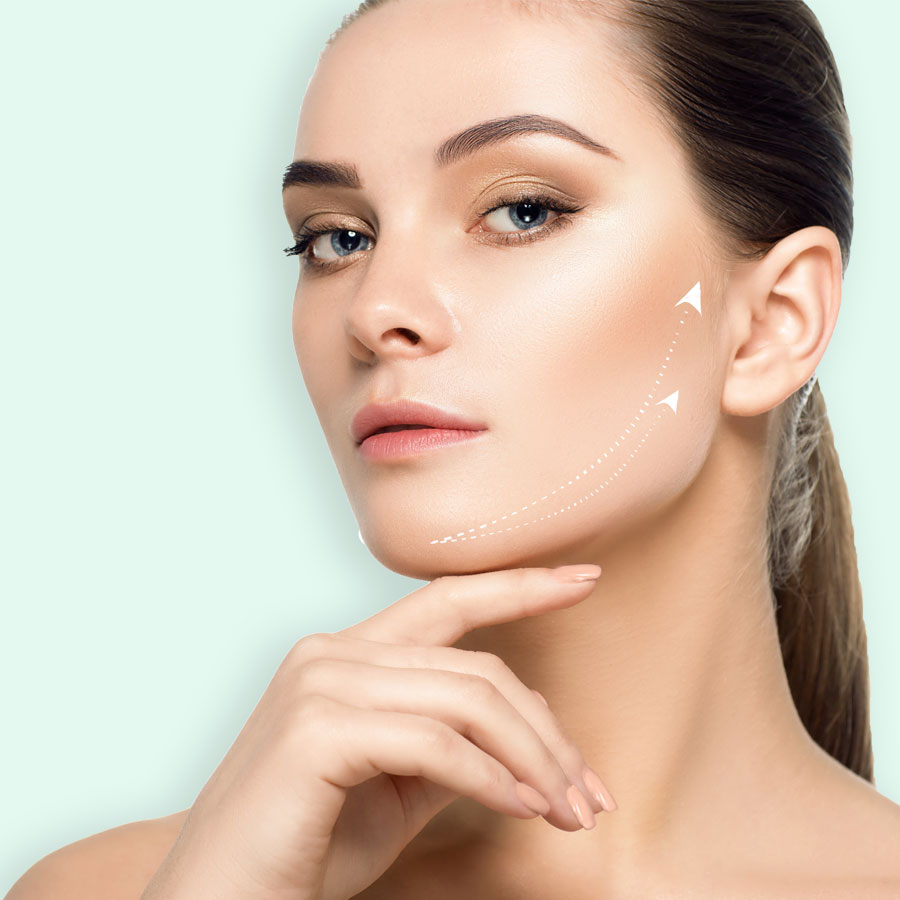
The right choice between a facelift and a liquid facelift depends on the severity of your aging concerns and whether you’re ready for surgery. A liquid facelift is a strong option if you’re dealing with mild to moderate lines, lost volume, or early sagging and want results with no downtime. A surgical facelift is the better fit if you’re seeing significant skin laxity, deep folds, or excess skin that injectables simply can’t address. Both approaches can deliver meaningful rejuvenation—the difference is in how far you want to go.
Many people want to see the lifting, wrinkle-reducing, skin-tightening effects of a facelift without the surgery and recovery time. While a liquid facelift cannot duplicate the results of surgery, it can provide changes in lift, volume, and wrinkles. A liquid facelift uses a combination of dermal fillers and neurotoxins like Botox® to reduce lines and wrinkles, add fullness and volume to sagging areas, and increase facial contouring.
Facelift
Before & After Photos


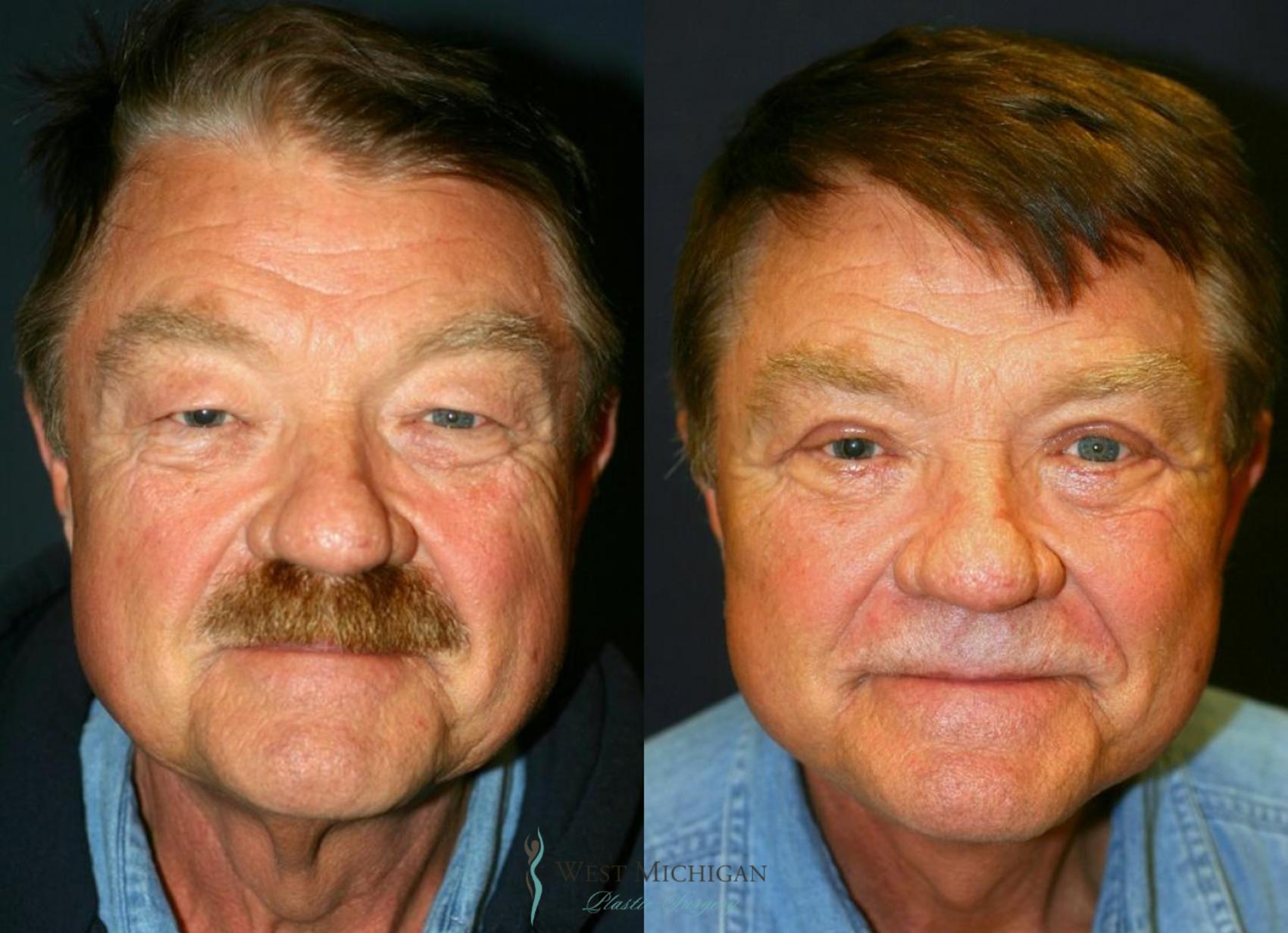


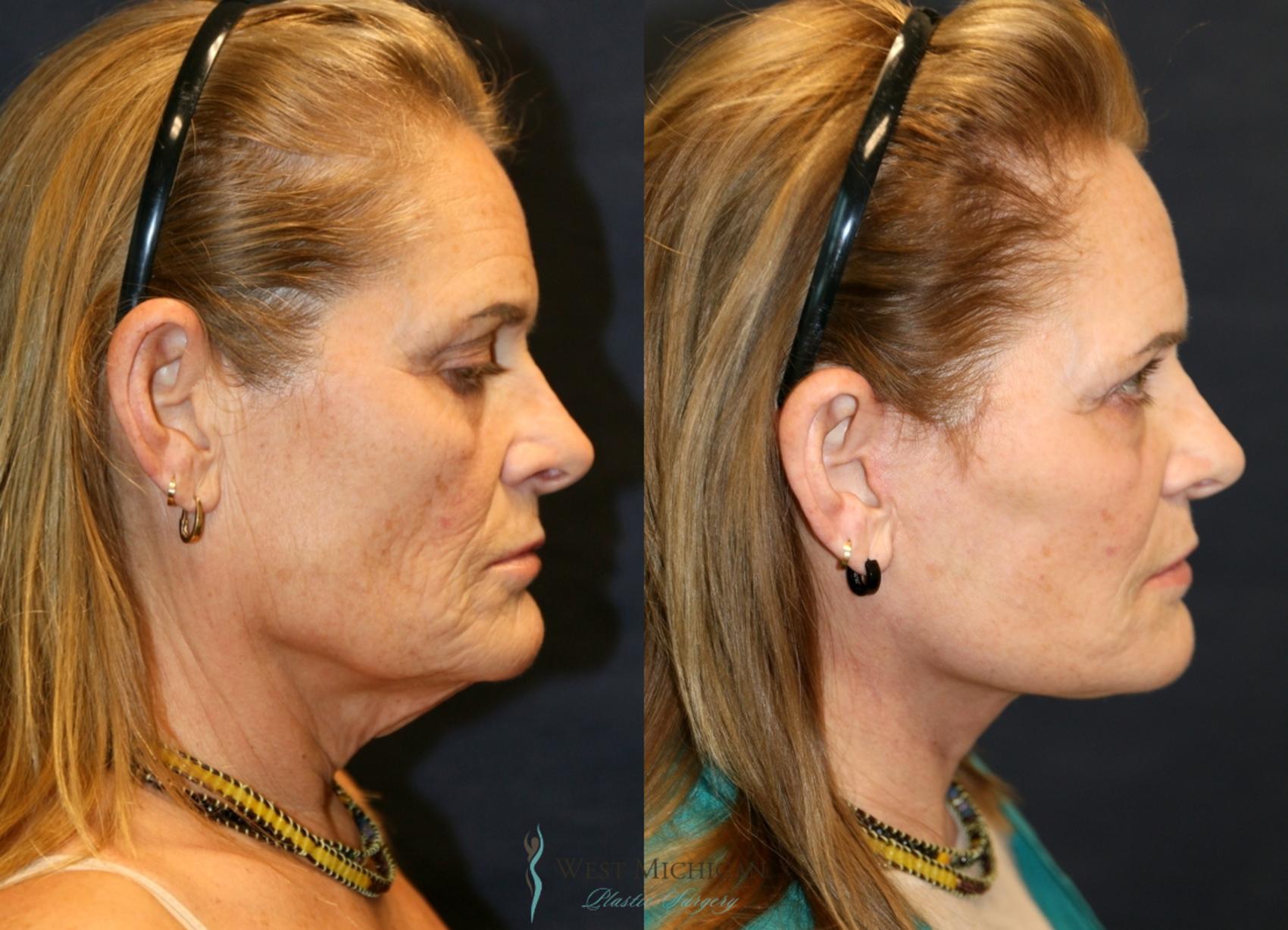
*Keep in mind that each patient is unique and your results may vary.
What is a Facelift?
A facelift is a surgical procedure where small incisions are made behind the ears or hidden in the hairline. The surgeon then lifts and rearranges the skin and underlying structures to return them to their more youthful, lifted position. They will also remove excess skin, leaving the face tighter and firmer with fewer lines and wrinkles. This procedure takes several weeks to recover from and seeing full results can take several months.
What is a Liquid Facelift?
This process uses a combination of injectables like dermal fillers and neurotoxins to achieve a lifted, firmer face with decreased wrinkles. Your injection specialist will use each product to enhance a particular area of your face, whether it’s a neurotoxin to relax facial muscles or a dermal filler to improve the volume and contour of the cheeks. Liquid facelifts have the benefit of being completely customizable.
Facelift vs. Liquid Facelift
Whether you choose a facelift or a liquid facelift depends on the results you want to achieve, whether you feel prepared for surgery, and the resulting recovery time. For many people who do not feel ready for surgery yet, a liquid facelift can give a noticeable firmness, smoothness, and lift.
However, surgical results will look more dramatic and last for years instead of months. In addition, surgery can remove excess loose skin, which a liquid facelift cannot treat. A surgical facelift may work better for you for intensive signs of aging, including significant sagging and loose skin.
Not sure which approach is right for you? This at-a-glance comparison breaks down the key differences between a surgical facelift and a liquid facelift to help you weigh your options.
| Facelift | Liquid Facelift | |
| Procedure type | Surgical | Non-surgical |
| How it works | Lifts and repositions skin and underlying structures; removes excess skin | Combines dermal fillers and neurotoxins to restore volume, smooth lines, and improve contour |
| Best for | Significant sagging, loose or excess skin, deep folds, advanced signs of aging | Mild to moderate volume loss, early sagging, fine to moderate lines and wrinkles |
| Cannot treat | Cannot stop the ongoing aging process, though results will keep you looking younger than your age over time | Excess or loose skin; cannot match the lift achieved through surgery |
| Results | More dramatic, longer-lasting improvement | Subtle to moderate improvement; results vary by individual |
| How long results last | Several years | A few months to a year, depending on the products used |
| Recovery time | Several weeks; full results may take several months | No downtime; minor bruising or soreness possible |
| Customizable | Yes, tailored to your anatomy and goals | Yes, each treatment is customized to your areas of concern |
Consultations Available Now
Take the first step. Get your questions answered by meeting with one of our knowledgeable medical staff for an in-person consultation. Simply fill out the form, and one of our experienced team members will reach out to you promptly to schedule your consultation.
Request a consultationHow Long Does a Facelift Last?
The components of a liquid facelift usually last a few months to a year. Neurotoxins typically last about three to four months, while dermal fillers can last 6 months to a year or longer. A facelift will last for many years, although the ongoing effects of aging will continue to affect the face.
Recovery and Results from a Facelift and Liquid Facelift
A liquid facelift requires no downtime, although you may see a small amount of bruising or experience minor soreness at the injection sites. A surgical facelift will cause more obvious bruising and swelling and much more discomfort, and you may need to wait up to six months or even longer for the swelling to subside entirely.
Am I a Candidate for a Facelift or Liquid Facelift?
Most people can receive a liquid facelift since the process requires no surgery or invasive procedures. Candidates for a surgical facelift should be in good health, nonsmokers, and prepared to wait several months to enjoy longer-lasting, more dramatic results.
Take the Next Step
Would you like to learn more about facelifts and liquid facelifts? Simply fill out the form on this page or call West Michigan Plastic Surgery at (269) 222-1611 to schedule your consultation. Proudly serving Western Michigan and the greater Kalamazoo area.
This blog was originally published in 2021 and updated in May 2026.